

When purchasing a property in Bromley, Croydon, or the wider South East London area, understanding the most prevalent defects is essential for making an informed decision. A comprehensive building survey serves as the primary mechanism for identifying structural and maintenance issues that may not be immediately apparent during a standard viewing. This article outlines seven common property defects regularly encountered in this region and explains what a thorough survey should detect.
1. Damp and Moisture Penetration
Damp represents one of the most frequently identified defects in residential properties across Bromley and Croydon. This issue manifests in several distinct forms, each requiring different remedial approaches.
Penetrating damp occurs when water infiltrates through external walls, typically due to damaged brickwork, failed pointing, or compromised render. In properties built with solid wall construction: common in Victorian and Edwardian homes throughout Croydon: the absence of cavity wall protection increases vulnerability to this type of moisture ingress.
Rising damp develops when groundwater travels upward through masonry due to defective or absent damp-proof courses. Period properties in areas such as Beckenham and Bromley frequently exhibit this defect, particularly where original slate damp-proof courses have deteriorated or become bridged by external ground levels that have risen over time.
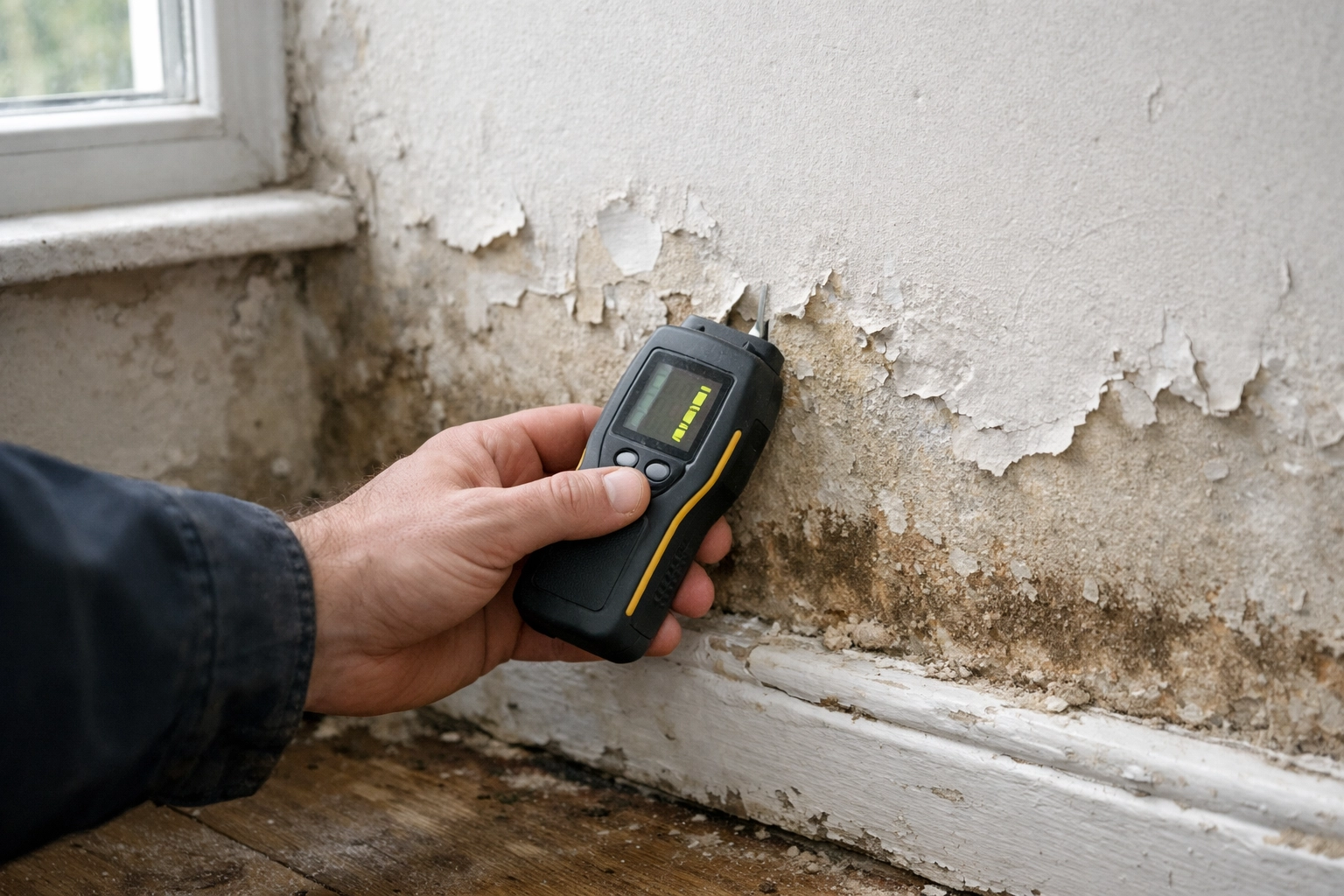
Condensation damp results from inadequate ventilation and heating, leading to moisture accumulation on cold surfaces. Recent data indicates that over 800 council-owned properties in Croydon have documented damp and mould problems, highlighting the prevalence of this issue in the borough.
A competent survey should identify visual indicators such as discoloured plaster, peeling wallpaper, tide marks on walls, and musty odours. Surveyors utilize moisture meters to quantify dampness levels and determine the underlying cause, enabling appropriate remediation strategies.
2. Roof Defects and Deterioration
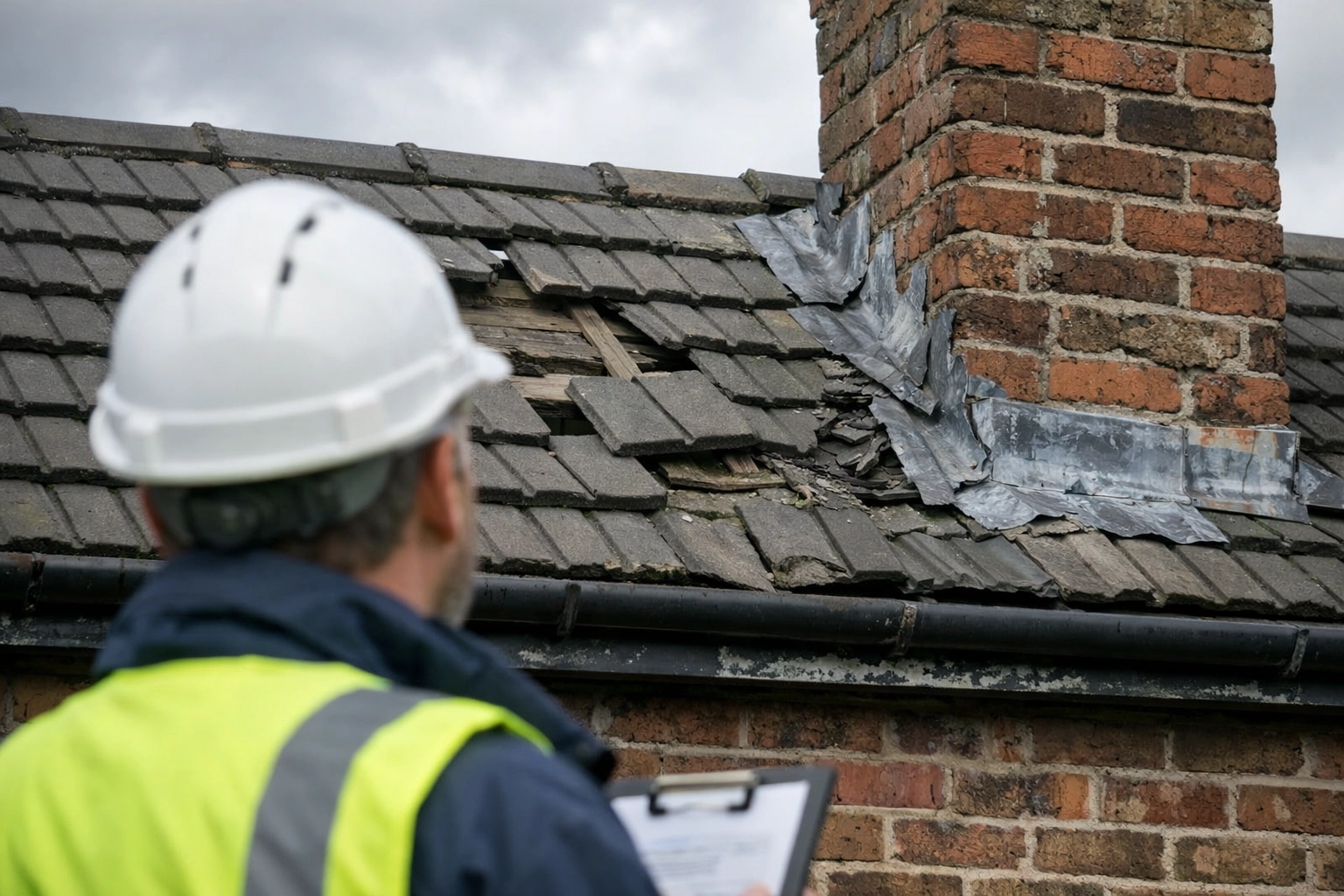
Roof structures in South East London properties experience significant wear due to age, weather exposure, and maintenance neglect. Common roof defects include missing or slipped tiles, damaged flashing around chimneys and valleys, and deteriorated felt underlay.
Properties with flat roofs: prevalent in 1960s and 1970s construction throughout Dartford and Croydon: present particular concerns. Felt roof coverings have limited lifespans, typically requiring replacement every 15-20 years. Pooling water, blistering, and cracking indicate imminent failure.
Pitched roofs on Victorian and Edwardian properties may suffer from roof spread, whereby the weight of the roof structure causes walls to bow outward due to inadequate lateral restraint. This structural movement appears subtle initially but can lead to significant stability issues if left unaddressed.
A thorough survey includes both internal roof space inspection and external assessment using appropriate equipment. Surveyors examine roof timbers for decay, assess the condition of coverings, and identify signs of water ingress such as staining on ceilings or roof timbers.
3. Subsidence and Structural Movement
Ground conditions in certain areas of Bromley and Croydon increase susceptibility to subsidence. Clay soils, which are prevalent in South East London, expand when wet and contract during dry periods, causing differential movement in building foundations.
Subsidence manifests through characteristic cracking patterns: diagonal cracks wider at the top than the bottom, cracks extending through both brick and mortar (stepped cracking in brickwork), and cracks wider than 3mm requiring immediate attention.
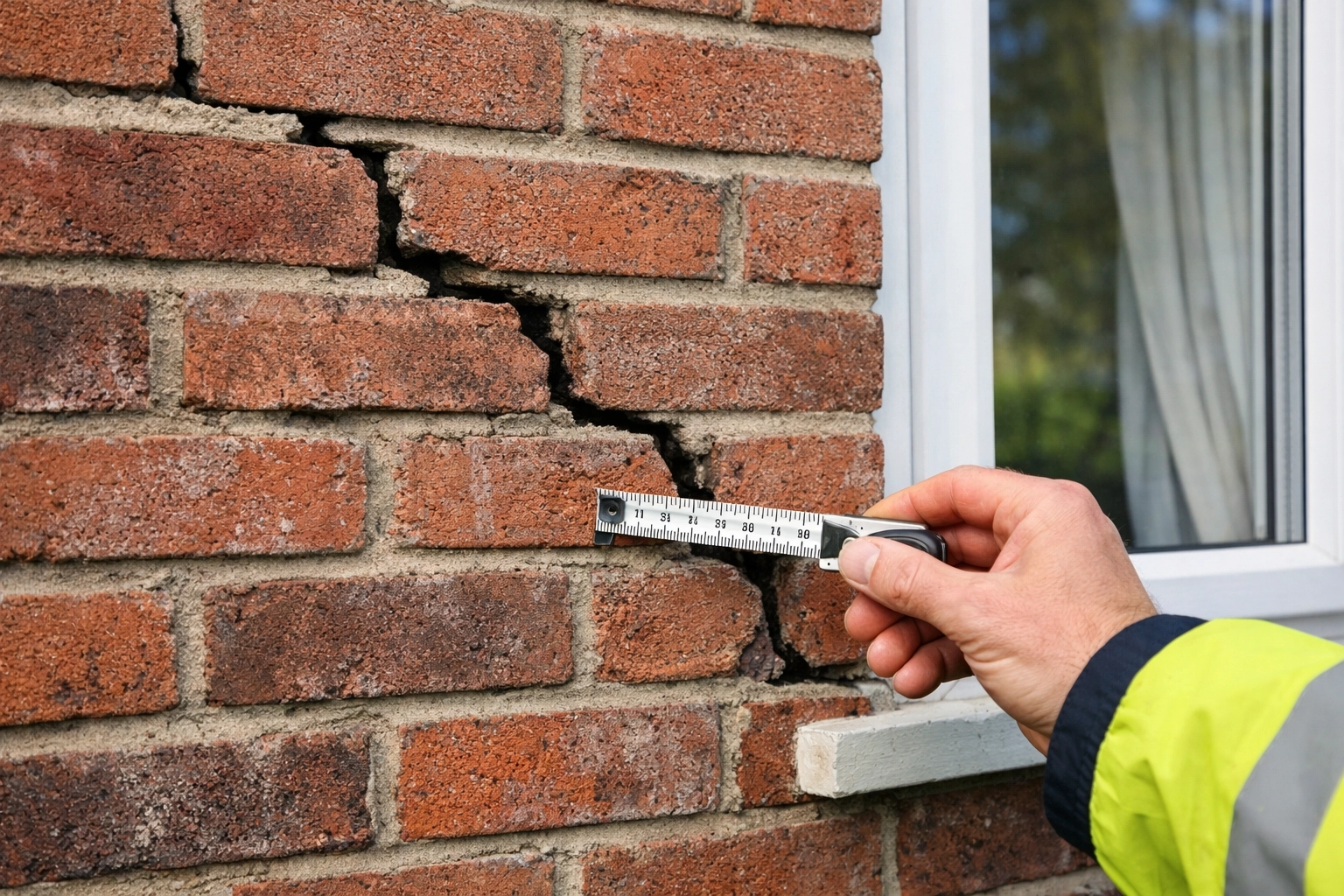
Tree root activity exacerbates subsidence risk, particularly with species such as oak, willow, and poplar located within influential distance of properties. As trees extract moisture from clay soils, foundation support diminishes, leading to settlement.
Survey reports should distinguish between historic movement (which has stabilized) and active, progressive movement. This assessment requires examination of crack widths, patterns, and locations, combined with consideration of local ground conditions and vegetation proximity. Monitoring may be recommended where the nature of movement remains uncertain.
4. Structural Cracking
Not all cracking indicates serious structural defects; however, differentiating between superficial and significant cracking requires expertise. Fine hairline cracks in plaster commonly result from thermal movement or minor settlement and rarely warrant concern.
More substantial cracking demands careful evaluation. Horizontal cracks at wall-to-ceiling junctions may indicate roof spread or inadequate wall plate connections. Diagonal cracks radiating from window or door openings could suggest lintel failure or bearing issues.
Properties in Croydon have demonstrated specific patterns of cracking around window and door openings, often resulting from thermal expansion of materials or minor structural adjustment. These defects, whilst typically minor, should be documented and monitored.
Surveyors measure crack widths, document locations through photographs and diagrams, and assess whether cracking appears active or dormant. This information determines whether immediate remediation, monitoring, or structural engineering consultation is appropriate.
5. Timber Decay and Infestation
Timber elements within properties face threats from both fungal decay and insect infestation. Wet rot develops in timber with sustained high moisture content, typically around leaking plumbing, damaged roofs, or areas of damp penetration. Affected timber becomes soft, darkened, and structurally compromised.
Dry rot, whilst less common, presents more serious consequences. This fungal attack spreads through masonry and can affect dry timber distant from the original moisture source. Identification relies on recognizing characteristic features: cuboidal cracking, white mycelium, and distinctive mushroom-like fruiting bodies.
Insect infestation, particularly from common furniture beetle (woodworm), affects older properties throughout Bromley and the surrounding areas. Flight holes, bore dust, and tunneling within timber indicate active infestation requiring treatment.
Building surveys include inspection of accessible timber elements: floor joists, roof timbers, window frames, and structural beams. Surveyors probe suspect areas to assess structural integrity and identify evidence of past or present decay or infestation.
6. Electrical Installation Deficiencies
Electrical installations have limited serviceable lifespans and require periodic updating to meet current safety standards. Properties with installations exceeding 25-30 years old typically require complete rewiring.
Common electrical defects include outdated fuse boxes lacking residual current devices (RCDs), insufficient socket provision leading to overuse of extension leads, absence of proper earthing, and deteriorated cable insulation. Period properties in Bromley often retain original wiring systems that fail to meet contemporary requirements for safety and capacity.
Recent construction in Croydon, including developments by companies such as Brick by Brick, has highlighted the importance of ensuring electrical installations meet building regulations and fire safety standards from the outset. Deficiencies in these areas can lead to enforcement notices and costly remediation.
Whilst surveyors are not qualified electricians, they identify observable deficiencies and typically recommend formal electrical condition reports conducted by certified electricians, particularly for properties with installations older than 10-15 years.
7. Plumbing and Drainage Issues
Plumbing defects range from minor leaks to significant drainage failures. Older properties throughout South East London may retain original lead pipework, which presents health concerns and limited durability. Galvanized steel pipes, common in properties from the mid-twentieth century, corrode internally, reducing water pressure and quality.
Hidden leaks within walls or beneath floors cause consequential damage to surrounding structures before detection. Water staining, unexplained damp patches, and reduced water pressure indicate potential plumbing deficiencies.
External drainage systems suffer from root ingress, displacement, cracking, and blockages. Victorian and Edwardian properties in Bromley and Croydon frequently have combined drainage systems susceptible to overflowing during heavy rainfall. Overflowing gutters and downpipes: documented as common minor defects in local properties: indicate inadequate maintenance or capacity.
Surveys include visual inspection of accessible pipework, assessment of water pressure, examination of drainage access points, and identification of signs suggesting concealed leaks or drainage deficiencies. Specialist drainage surveys using CCTV equipment may be recommended where concerns exist regarding underground drainage condition.
What Your Survey Should Catch
A comprehensive RICS building survey conducted by qualified professionals should identify all seven categories of defects outlined above. The survey report provides detailed descriptions of identified issues, photographic evidence, and recommendations for further investigation or remediation.
Crucially, surveyors assess not only the presence of defects but their severity and implications. This evaluation enables informed decision-making regarding property purchase, price negotiation, or withdrawal from transactions where defects prove too significant or costly to address.
For properties in Bromley, Croydon, Dartford, and surrounding areas, engaging local surveyors familiar with regional building characteristics, ground conditions, and prevalent defect patterns ensures thorough assessment. Local knowledge proves invaluable when evaluating whether identified issues represent typical characteristics of property type and age, or indicate more serious underlying problems.
Understanding these seven common defects and ensuring your survey adequately addresses each category protects against unexpected costs and structural concerns following property purchase. The investment in a comprehensive building survey represents prudent risk management, providing the detailed information necessary for confident property acquisition decisions.