
Top Warning Signs in Older South London Properties (and What They Mean)
Older South London homes often come with hidden quirks that can turn into costly headaches. If you’re eyeing a Victorian terrace or a 1930s semi, spotting key warning signs early can save you time and money. As a local South London surveyor, I’ll guide you through the most common defects to watch for, helping you make confident decisions about your property. Ready for clarity? Let’s get started. Read more about signs to watch for when viewing a house.
Common Structural Issues
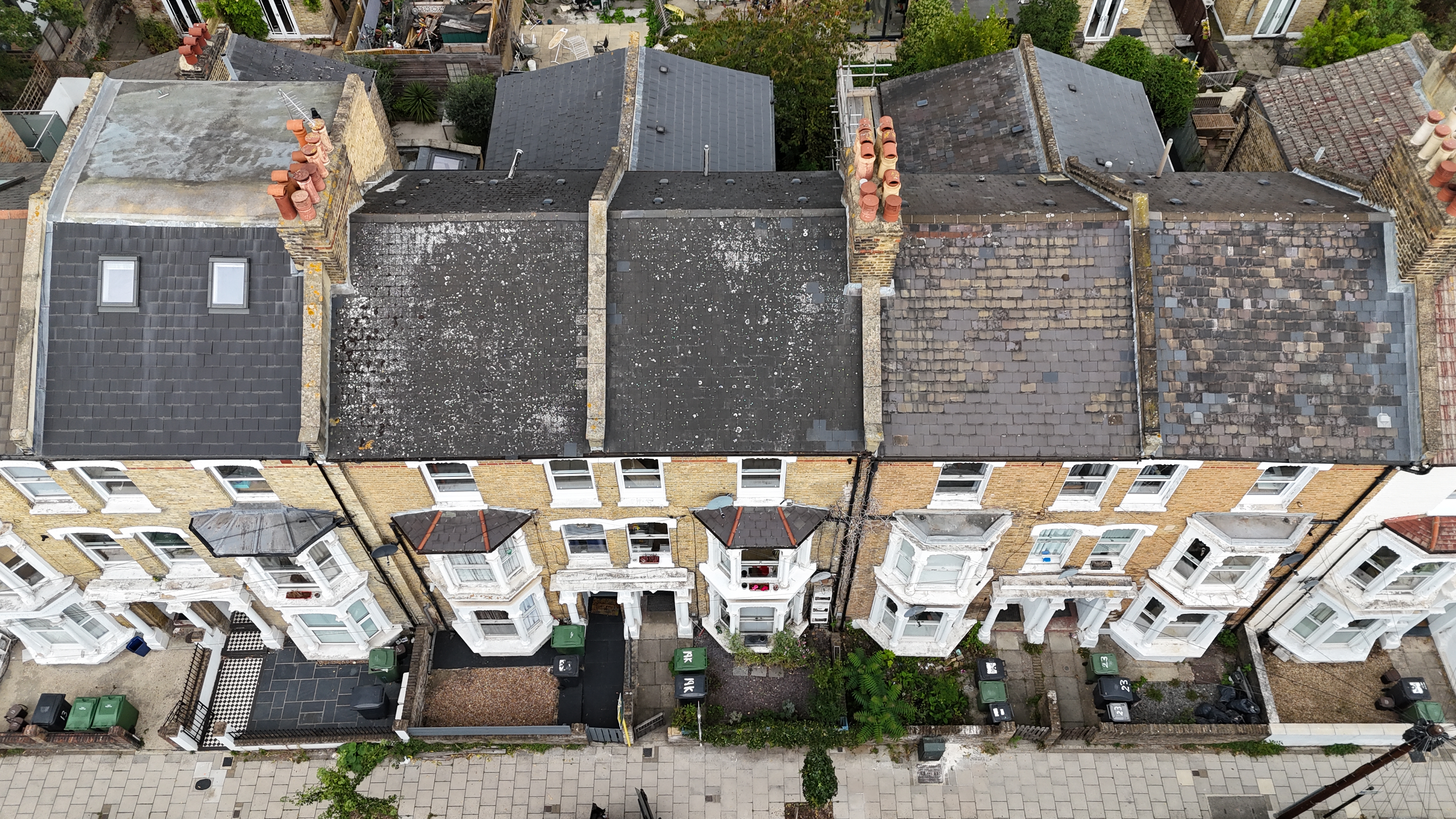
When exploring older properties, the structure is a crucial aspect to assess. It’s what keeps your dream home standing. Here’s what to look out for when examining the bones of your potential new home.
Spotting Structural Movement Cracks
Cracks can reveal a lot about a house’s history. They might seem small, but they can indicate bigger issues. Look for horizontal or zigzag patterns. These suggest movement in the building, which can lead to expensive repairs. Vertical cracks are less concerning, but still warrant attention. If you notice any that are wider than a coin, it’s time to get a professional involved. A local South London surveyor can provide expert advice on whether these cracks point to London clay subsidence or other issues.
Roof Sagging and Its Implications
A sagging roof is a clear signal. It usually means the structure underneath is struggling. This can stem from worn-out materials or improper installation. During your visit, step back and look at the roofline. Does it dip or wave? If so, further inspection is needed. The longer you wait, the more costly it might become. Learn about Victorian street rules for more insights.
Chimney Stack Defects Explained
Chimneys are charming, but they can hide issues. Leaning or cracked stacks suggest underlying structural problems. Missing bricks or mortar are red flags too. These may lead to water ingress or even collapse in severe cases. Regular maintenance is key here. If your surveyor spots these issues, prompt action can prevent further damage. A RICS surveyor in South London will offer the best guidance for these concerns.
Damp and Moisture Concerns
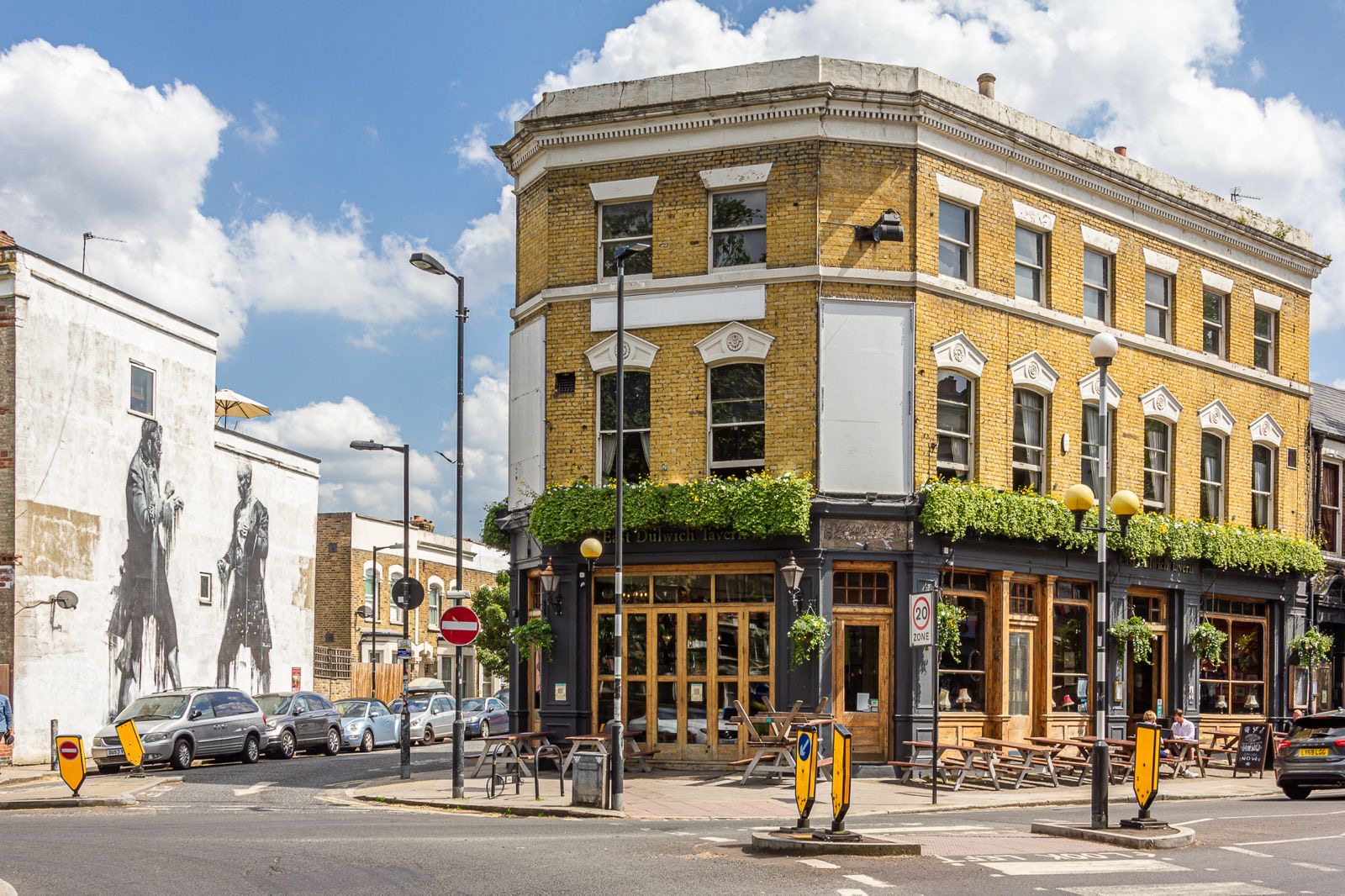
Damp is more than just a nuisance. It’s a silent intruder that can cause significant harm over time. Understanding the different types can help you protect your investment.
Identifying Rising Damp
Rising damp is where moisture from the ground gets into the walls. Look for tide marks or peeling paint at the base of walls. A musty smell can also be a giveaway. Rising damp often requires professional treatment, such as installing a damp-proof course. Addressing this early can save you a headache later. Your surveyor can confirm if this is a concern in your Victorian terrace.
Penetrating Damp vs. Condensation and Mould
Penetrating damp occurs when water finds its way through the walls from the outside. It’s often due to faulty gutters or damaged masonry. Condensation, however, results from poor ventilation inside. Look for black mould patches or water droplets on windows. Each type requires different solutions. Red flags before buying an older home offer more insights.
Timber Decay: Wet Rot and Dry Rot
Timber decay weakens the structure. Wet rot occurs when wood remains damp over time. Dry rot is more serious, spreading quickly like a fungus. Look for soft wood or a musty smell. Checking floorboards and window frames can reveal these issues. A thorough survey will highlight the extent of the problem and propose solutions.
Essential Modernisation Needs
Older homes are full of charm, but they often need updates to meet modern standards. Here’s what you need to know to keep everything safe and sound.
Asbestos in Older Homes UK
Asbestos was widely used for its durability and fire resistance. However, it’s a health hazard when disturbed. It’s found in ceilings, walls, and even floor tiles. If your home was built before 2000, assume asbestos is present. Professional removal is essential. A Level 3 Building Survey can identify potential asbestos materials.
Old Electrics and VIR Cabling
Old wiring isn’t just inefficient; it’s dangerous. VIR (Vulcanised Indian Rubber) cabling was common in pre-1960s homes. It becomes brittle and poses a fire risk. Look for fabric-covered wires or round switches. An upgrade to modern wiring ensures safety. A HomeBuyer Report in South London can advise if a re-wire is needed.
Non-compliant Loft Conversions and Unauthorised Alterations
Lofts add value, but non-compliant conversions can be problematic. They might not meet safety standards or building regulations. Check for building approval documents. Unauthorised alterations can lead to legal troubles later. A pre-purchase survey in South London will highlight any issues with loft conversions or alterations.
By understanding these potential issues, you can approach your property purchase with confidence. Remember, a thorough survey is your best tool in ensuring you’re making a wise investment. Feel empowered to make informed decisions about your next home.